
Educational leave in Oman: history, culture and unspoilt nature
Skyscrapers, luxury cars and endless shopping malls – that’s how many people imagine the Gulf states. Oman is different. That’s exactly why we chose it as the destination for our study trip: the country shows how tradition and modernity can go together in the Gulf.
A country with plenty of space
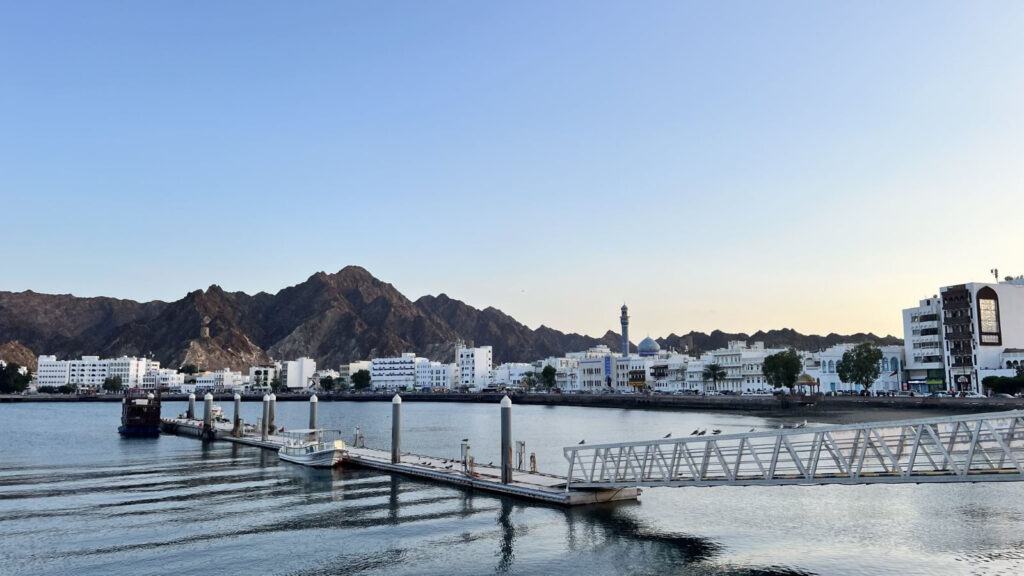
Oman lies at the entrance to the Arabian Sea and has always been an important hub between Arabia, Persia, India and East Africa. Like its neighbours, it was shaped by oil in the 20th century – yet in 1970 there were only about ten kilometres of paved roads in the whole country. The rapid development that followed did not turn the cities into high-rise landscapes: Muscat is still low-rise, white and surprisingly green today.
On average only about 15 people live per square kilometre – a large proportion of them not from Oman. Travelling here, you experience a lot of space and calm.
Oman through the millennia
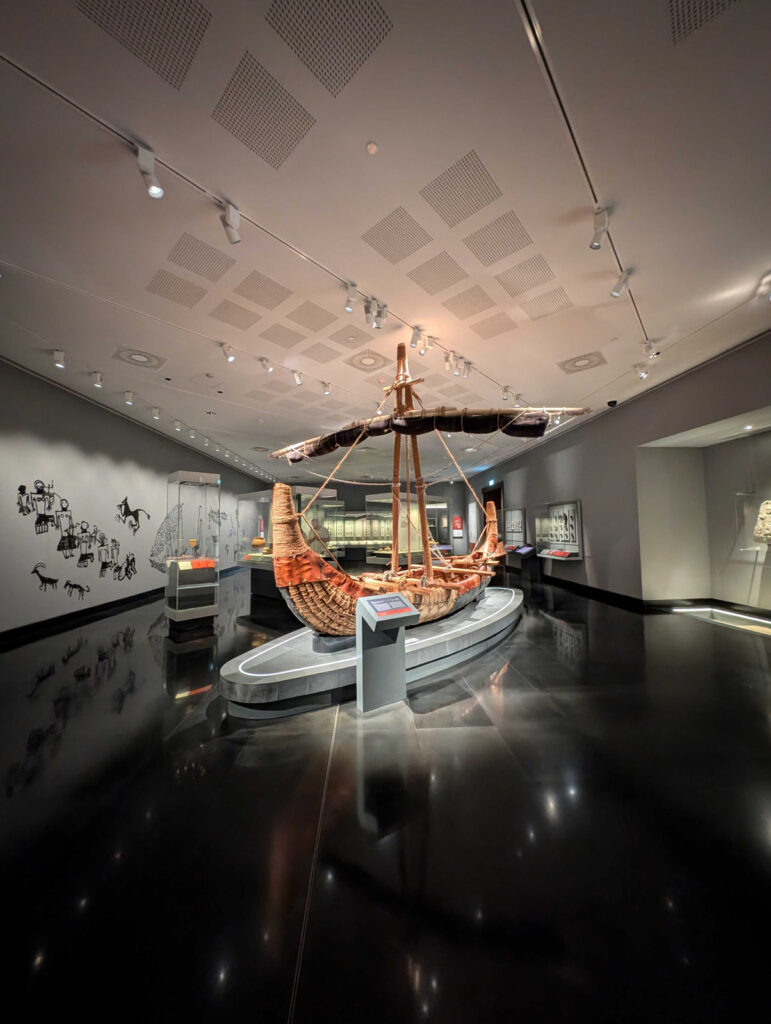
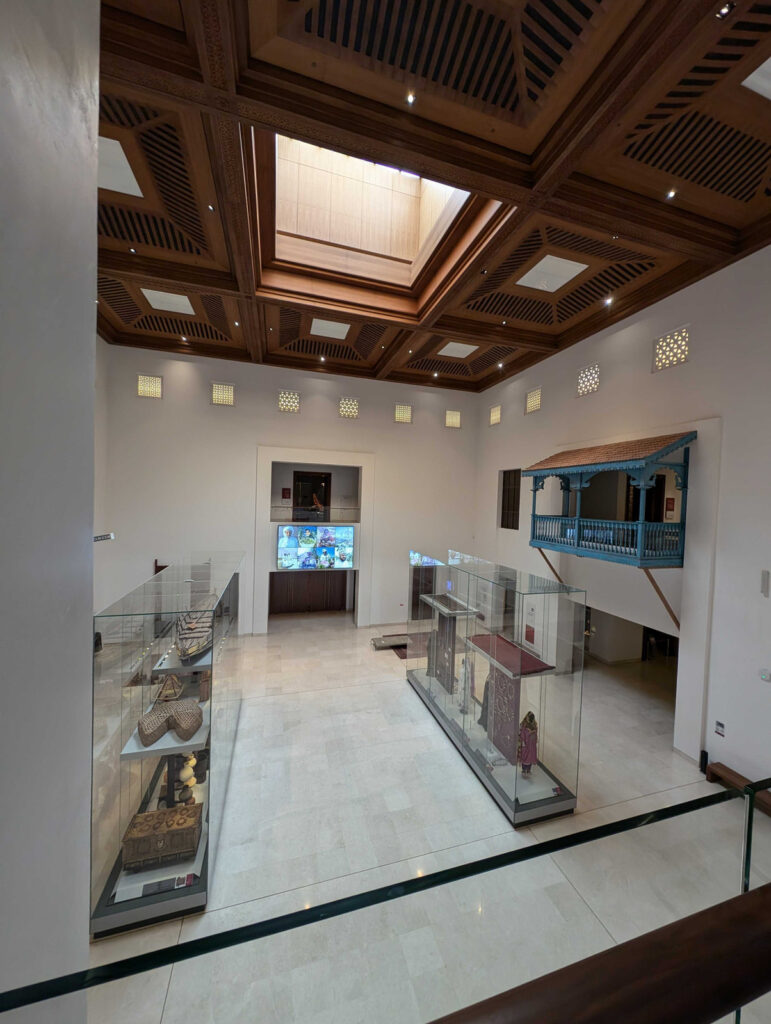
People lived here as early as the Stone Age. Around 3000 BC the Sumerians knew the country as Magan, famous for copper and seafaring. In antiquity, the southern province of Dhofar was known for its frankincense. Many finds from this period are on display today at the National Museum in Muscat, which is well worth a visit.
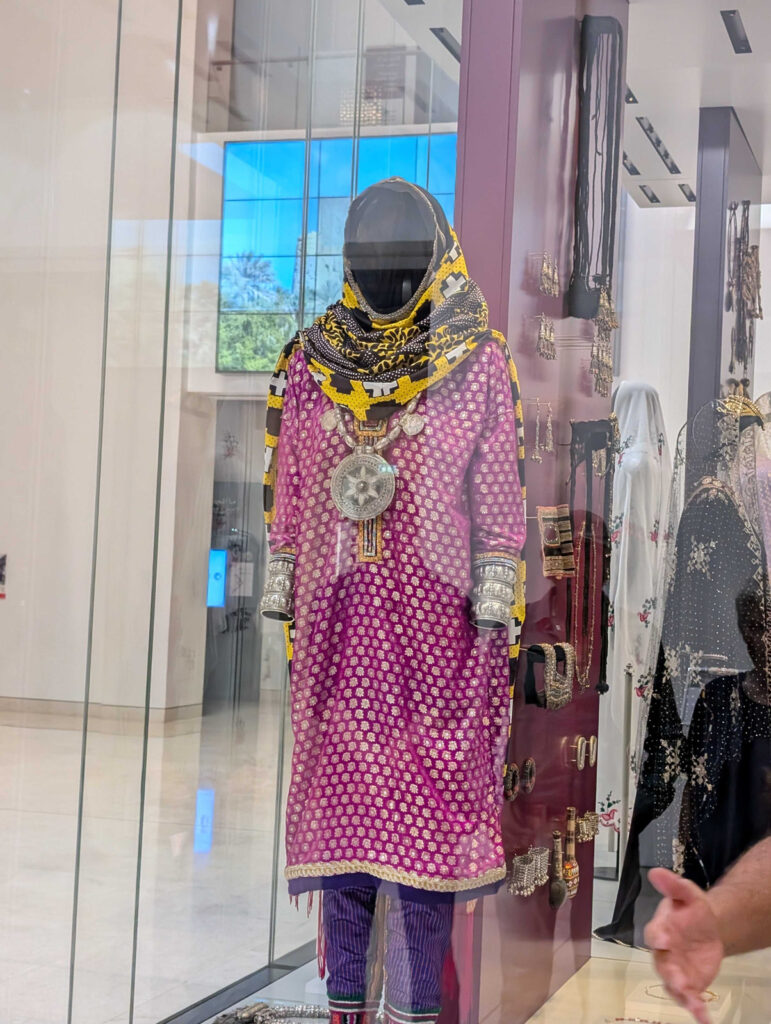
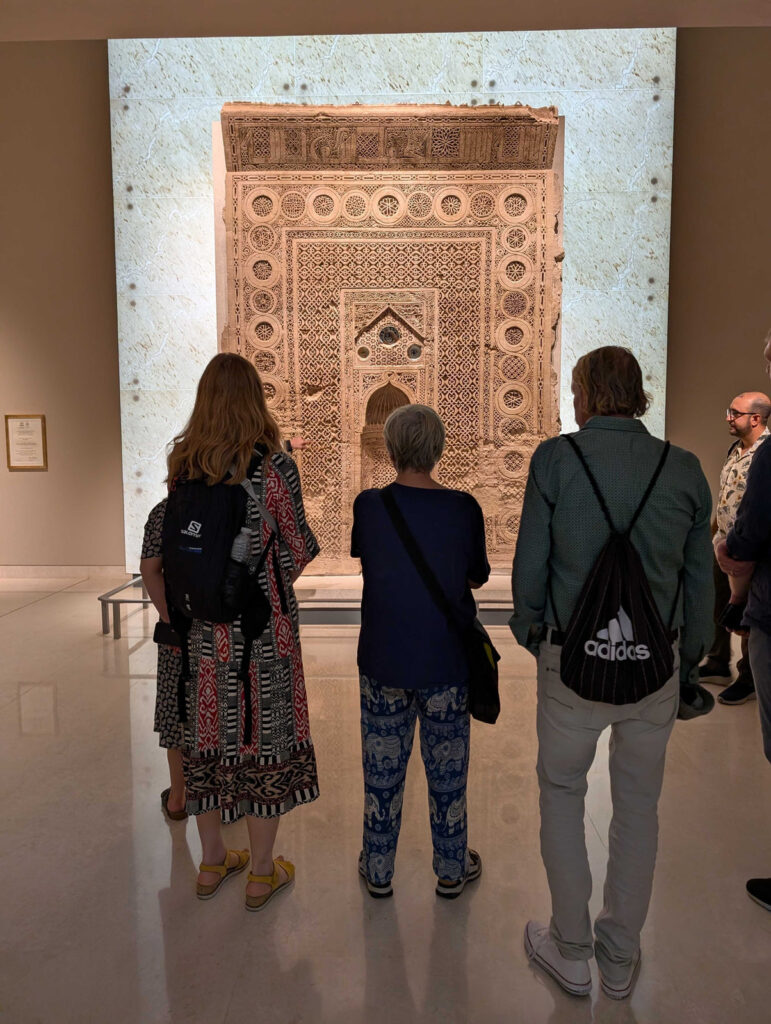
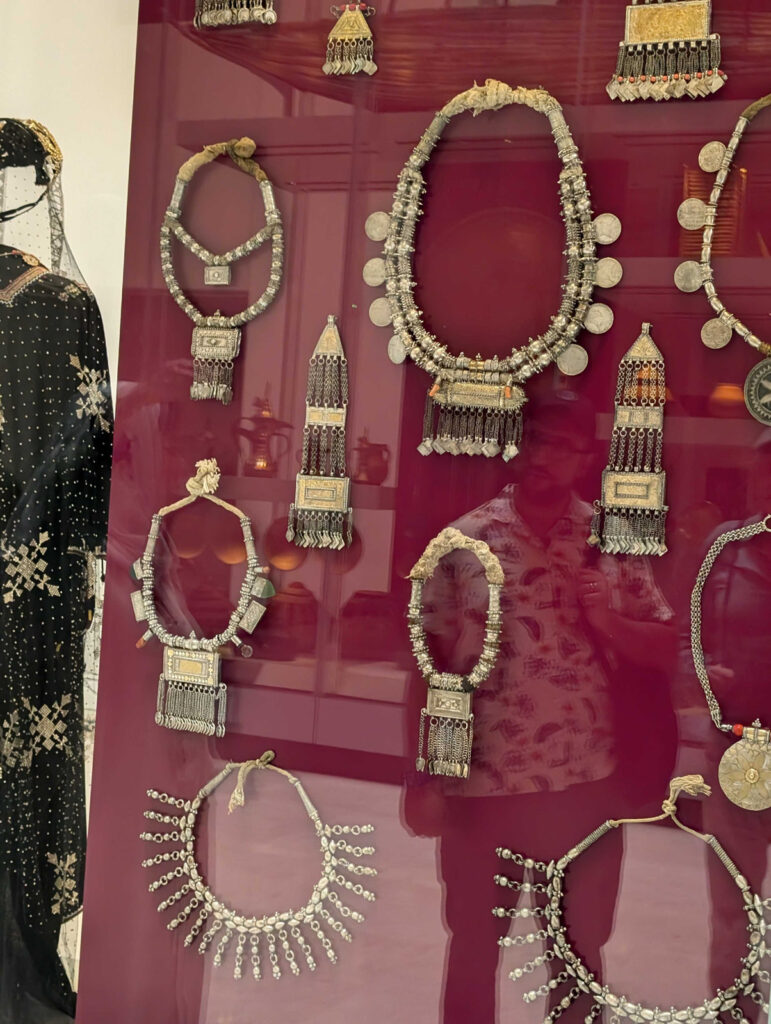
Because the coast is protected by mountains, Oman’s harbours became meeting points of many cultures early on. In 1507 the Portuguese took control of Muscat and stayed until 1650. Afterwards the twin forts of Al Mirani and Al Jalali were built, which still watch over the old harbour today. The Baloch are also closely linked to Oman: until 1958 the port of Gwadar, now in Pakistan, belonged to Oman, and many Omanis still bear the name al-Balushi.
Around the middle of the 18th century, the rule of the Al Said dynasty began, which still governs the country today. Sultan Qabus bin Said (1940–2020) is regarded as the father of modern Oman and is still deeply revered throughout the country. Since 2020, Sultan Haitham bin Tariq has been in power.
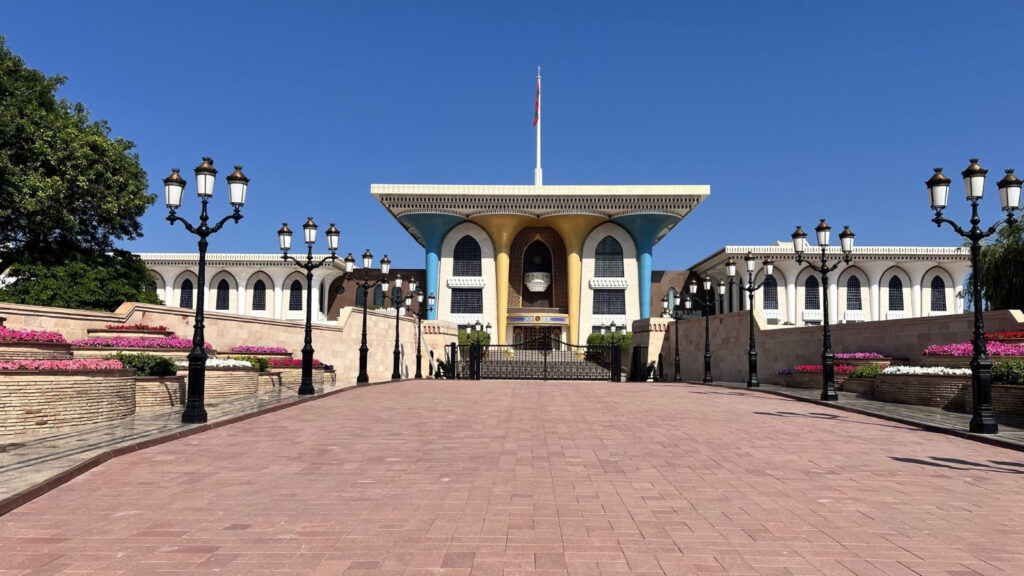
Our experiences in Muscat
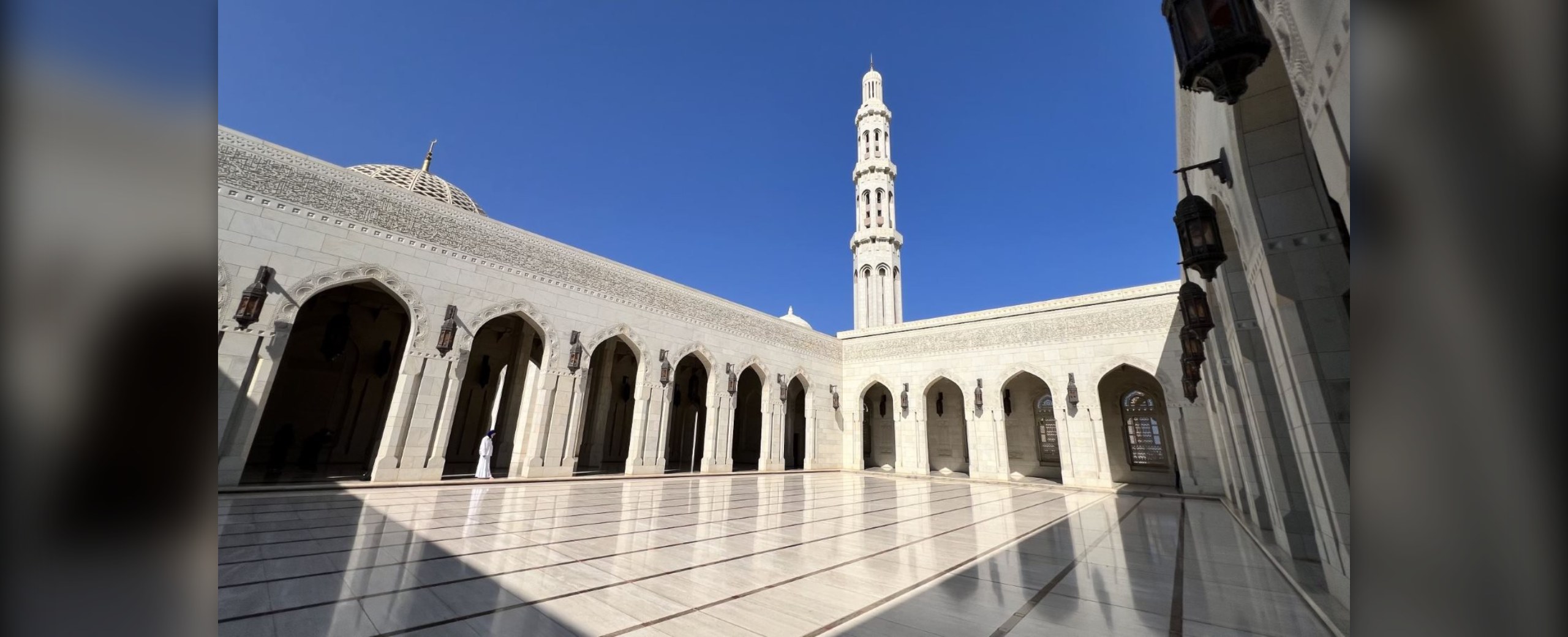
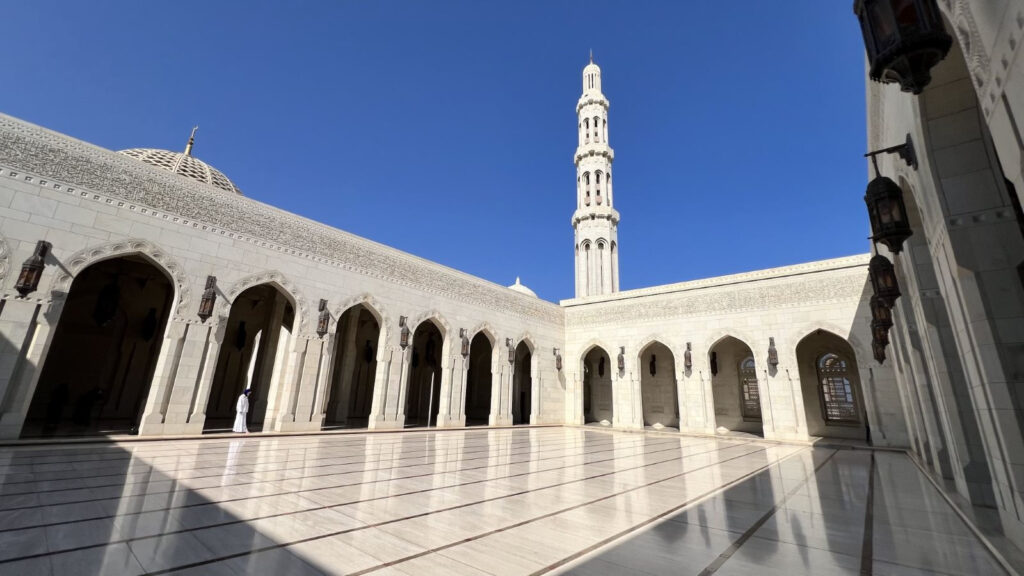
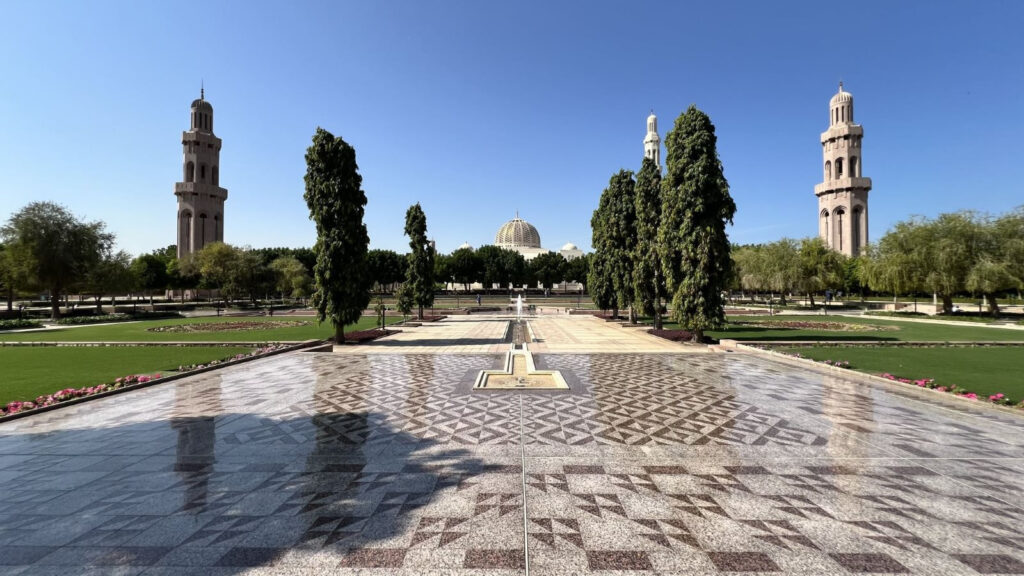
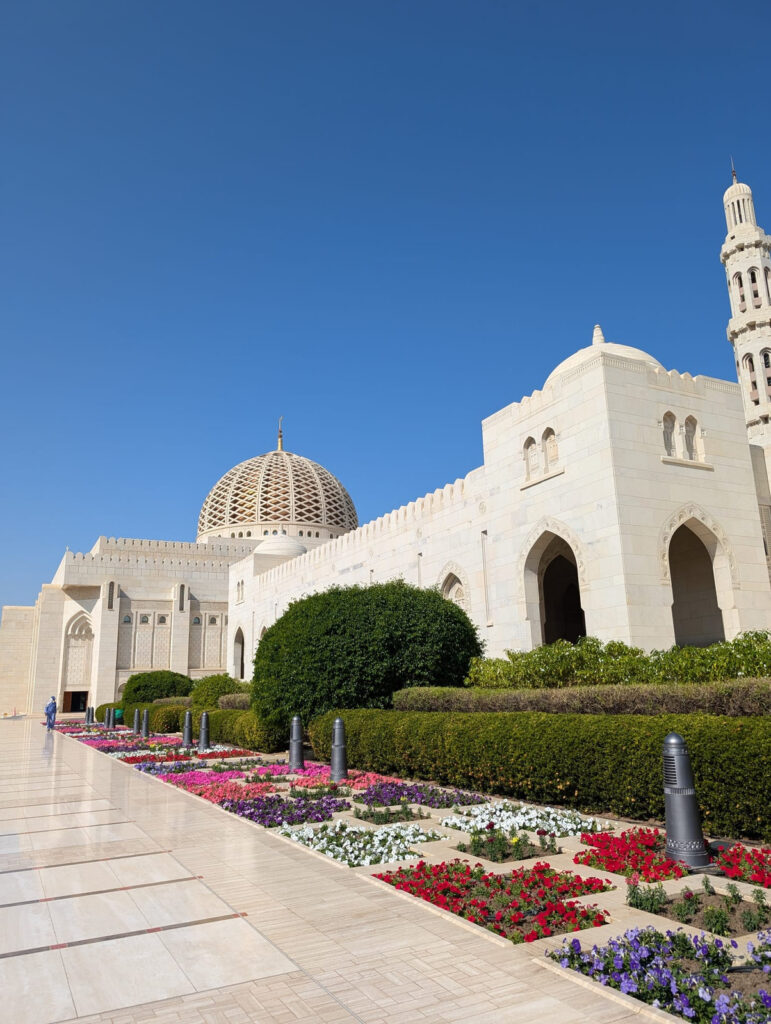
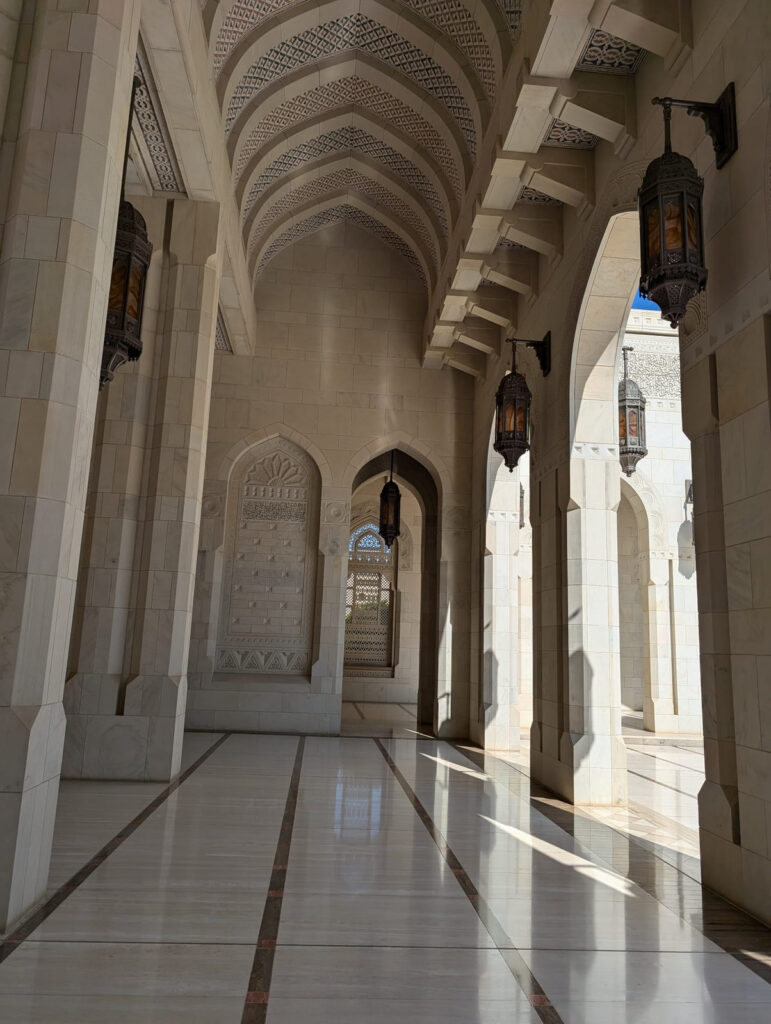
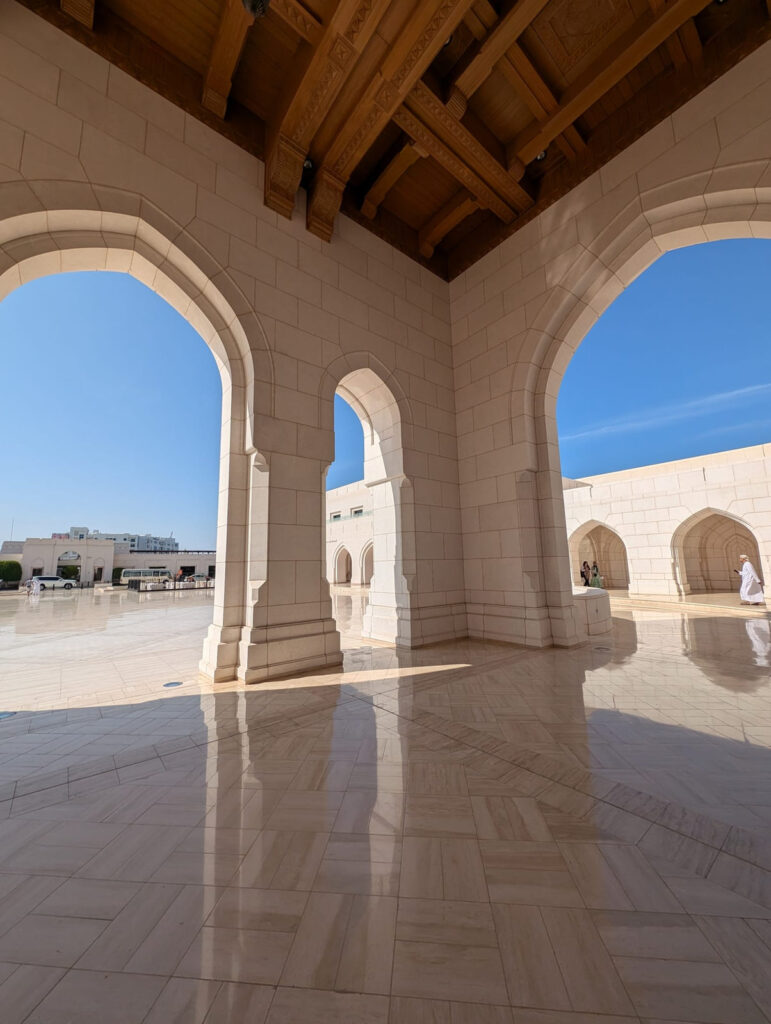
One highlight is the Sultan Qabus Grand Mosque, completed in 2001. Its main minaret is about 90 metres high – by the way, the world’s tallest, at 210 metres, stands in Casablanca. White walls, bright light and geometric patterns bring out the photographer in everyone. Visitors are welcome in the mornings; allow some time and make sure you dress appropriately.
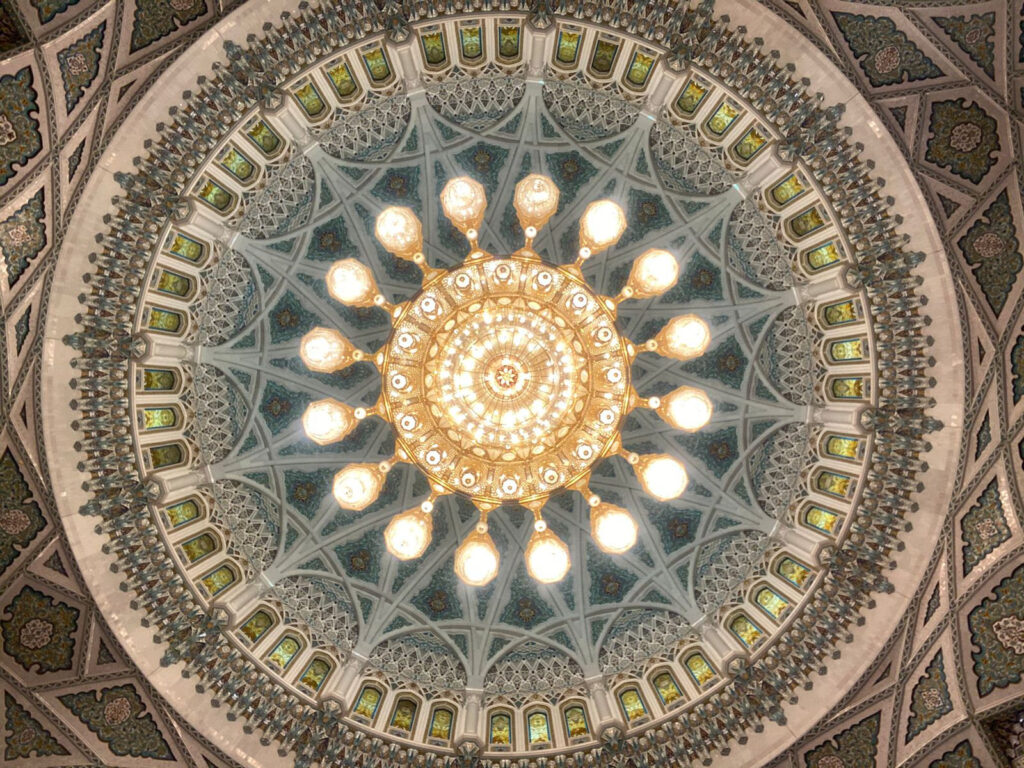
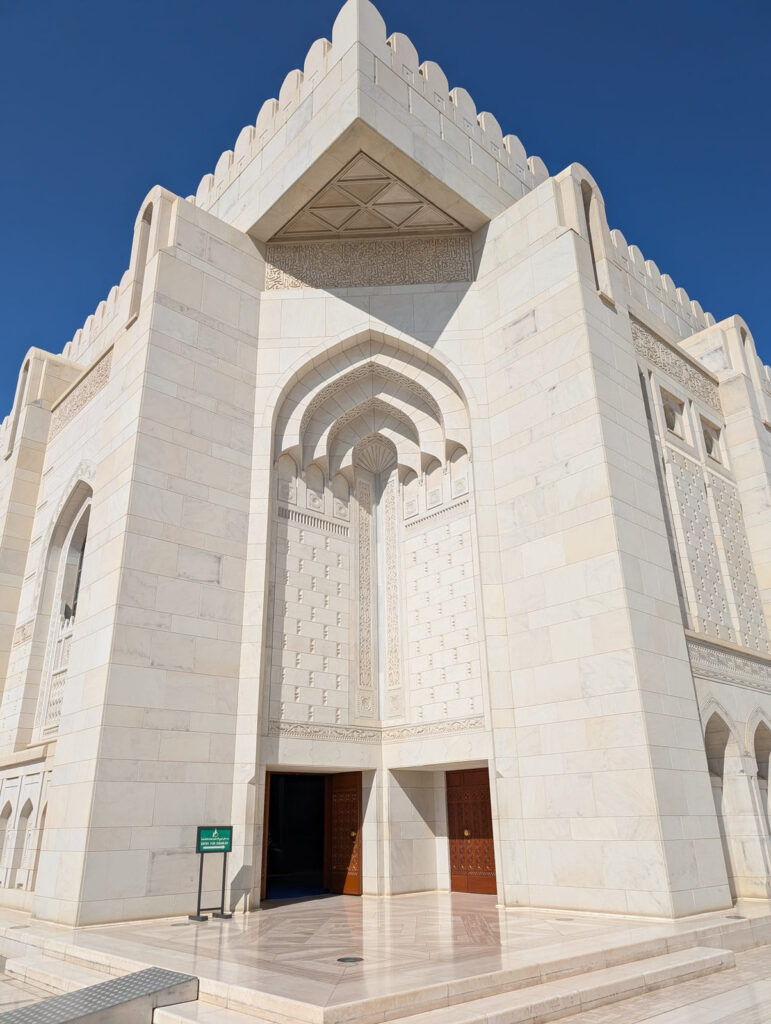
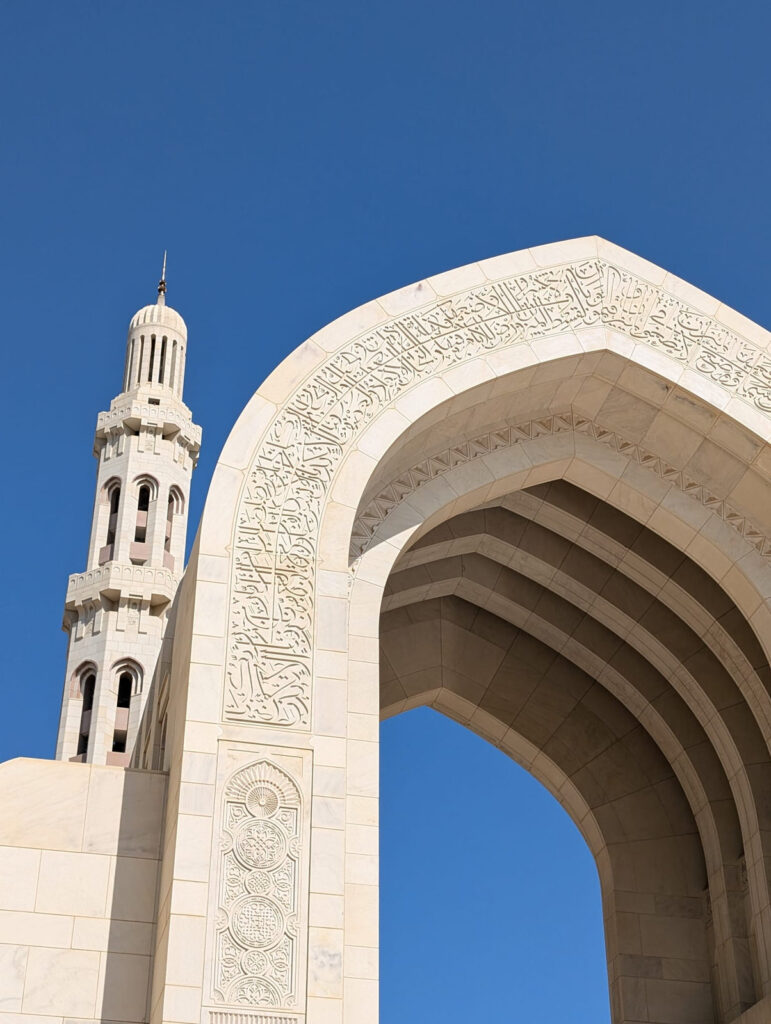
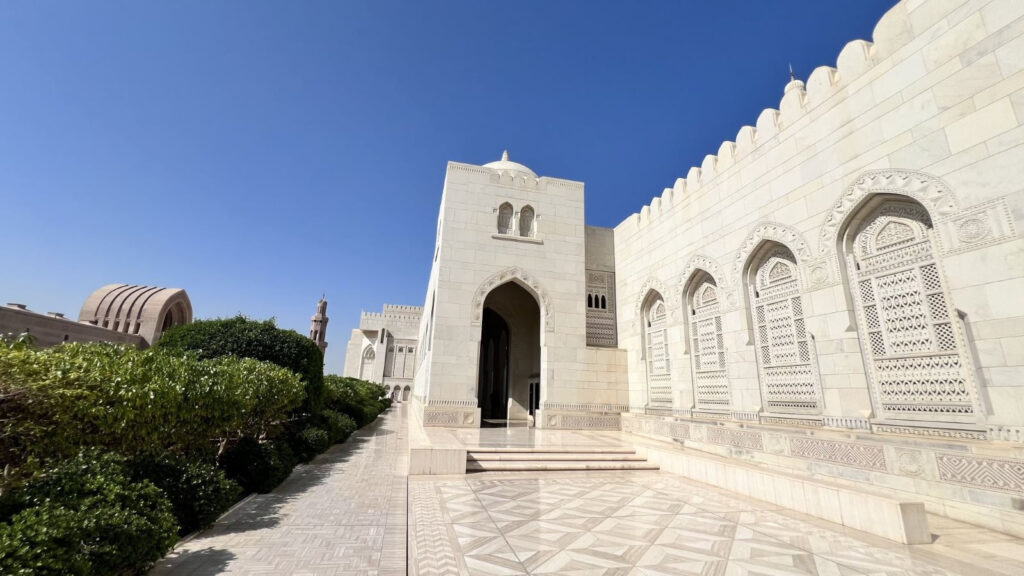
Sultan Qabus loved classical music and gave the country the Royal Opera House Muscat. Even without a performance, you can visit the building on a guided tour.
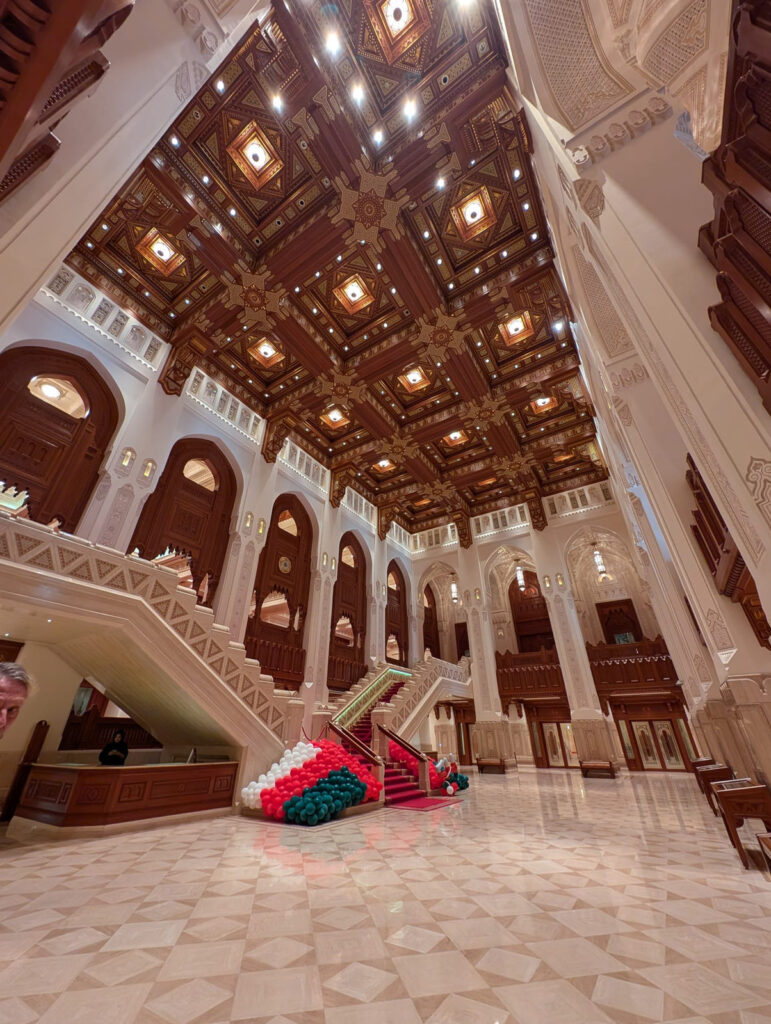
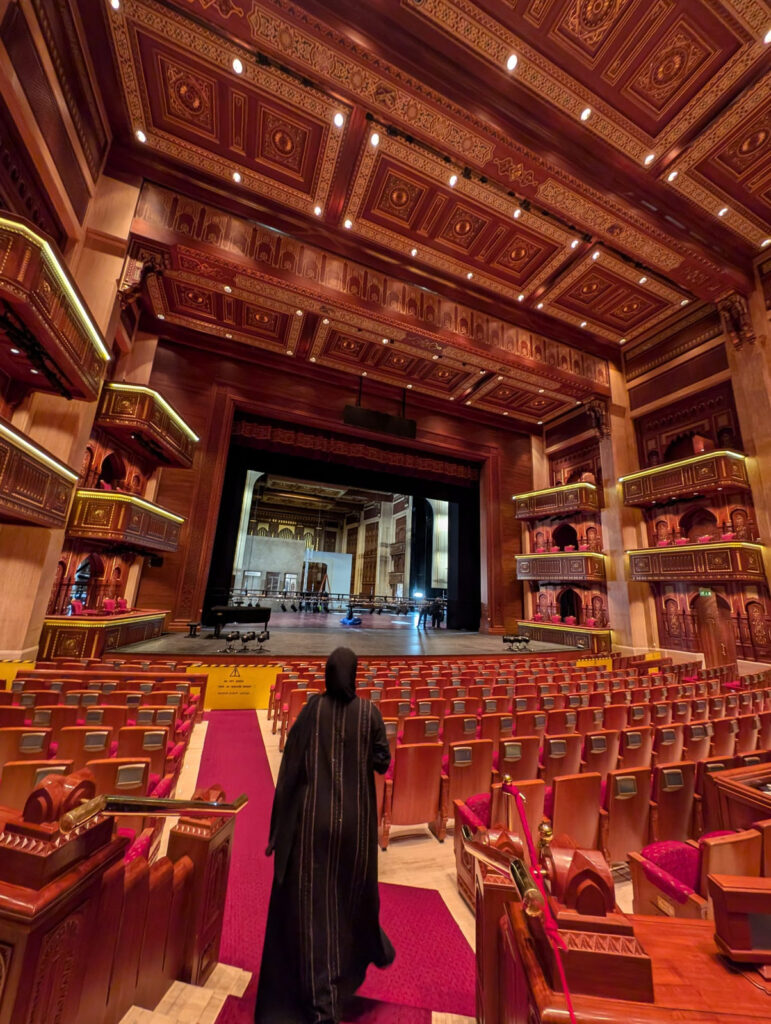
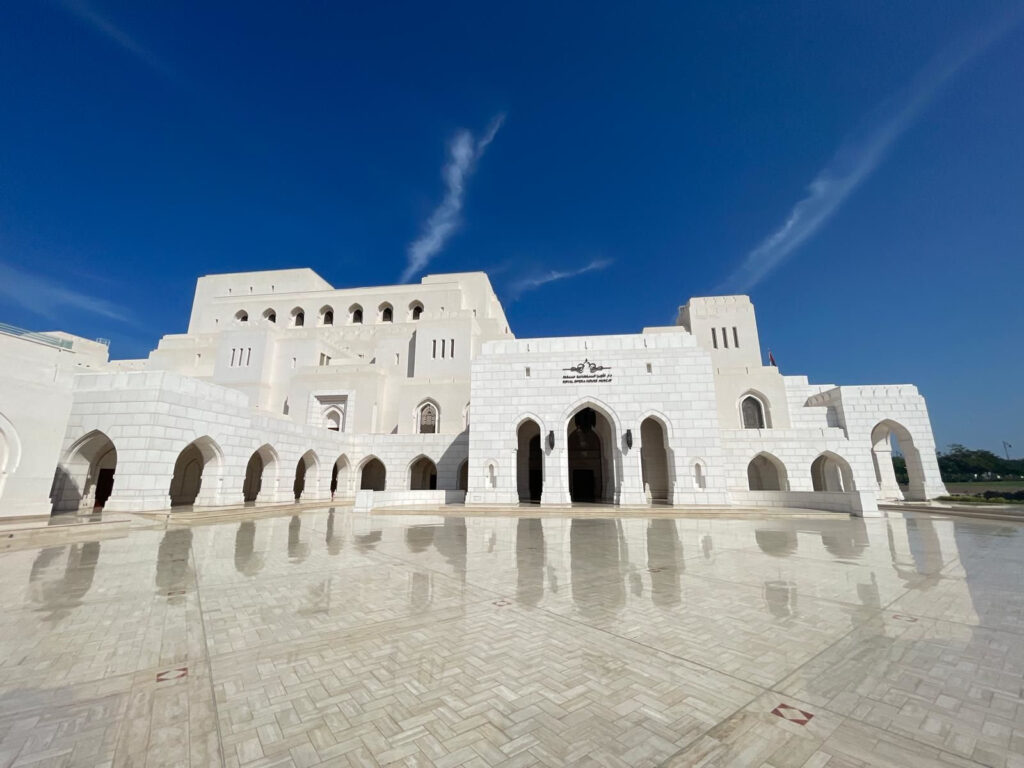
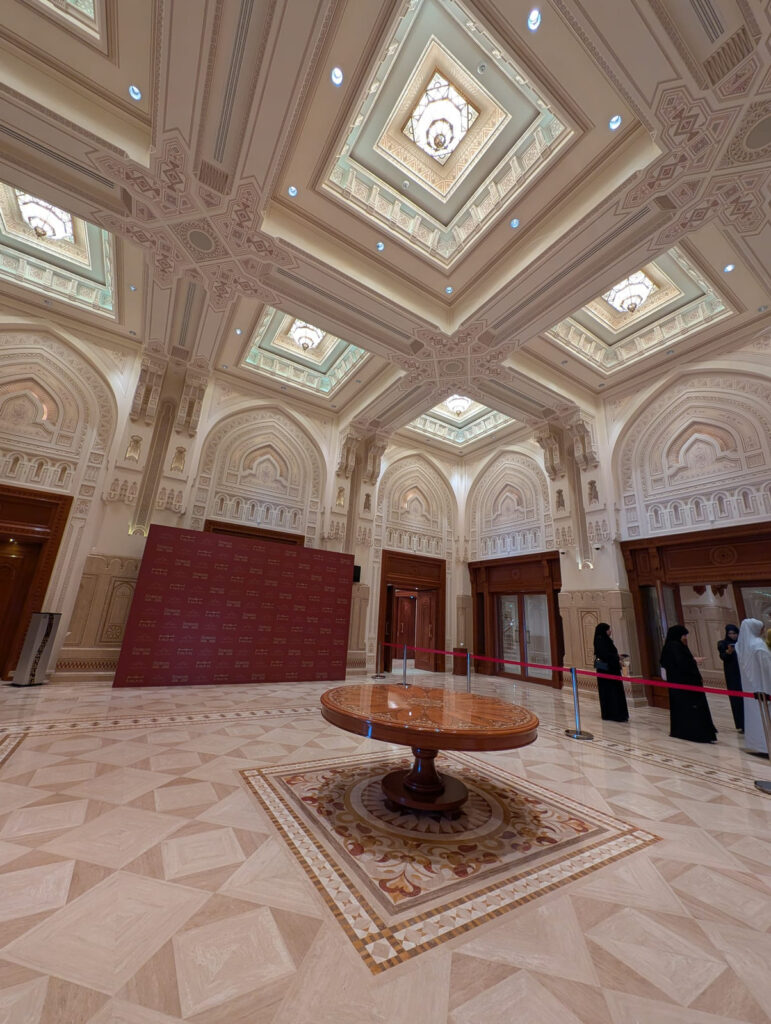
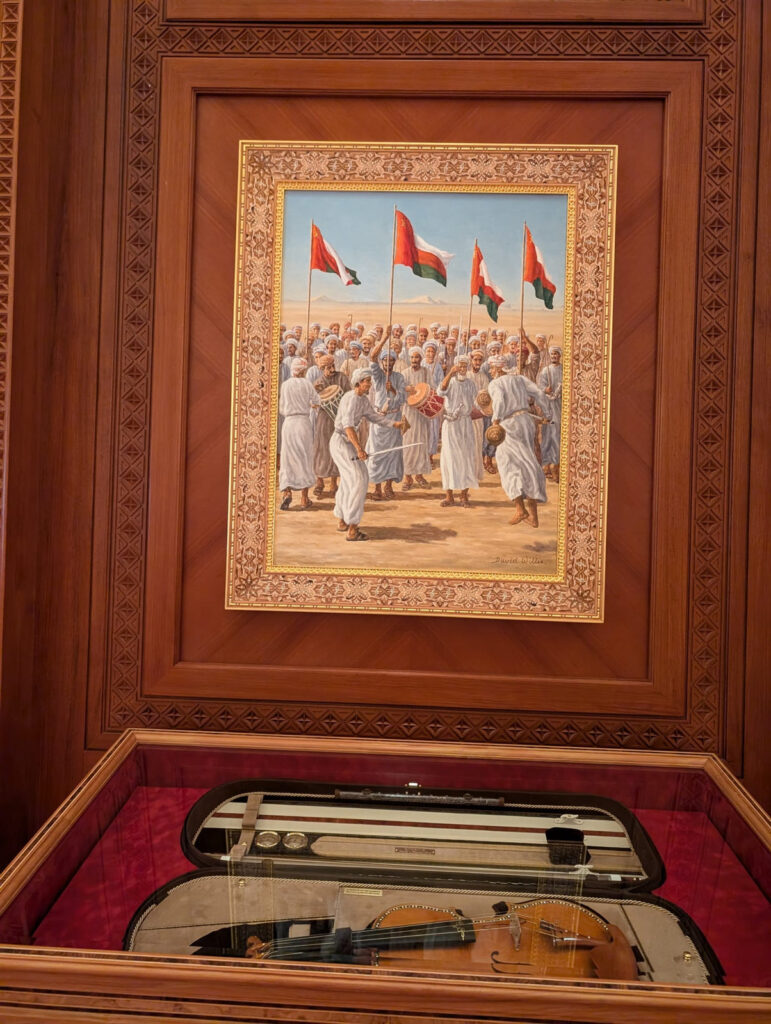
But the best shopping experience isn’t in the malls – it’s in the Mutrah Souk. A few words you’ll need there:
- لبان – lubān: frankincense, especially from Dhofar
- خنجر – khanjar: the curved dagger men wear on festive occasions
- كمة – kumma: the embroidered cap worn by men
- مصر – muṣar: the artfully tied turban
- دشداشة – dishdāsha: the long white robe – completely normal in everyday life
The earth is a gift – look after it as you look after your own home.
Omani proverb
Pure nature: Wadi Shab and Bimmah Sinkhole
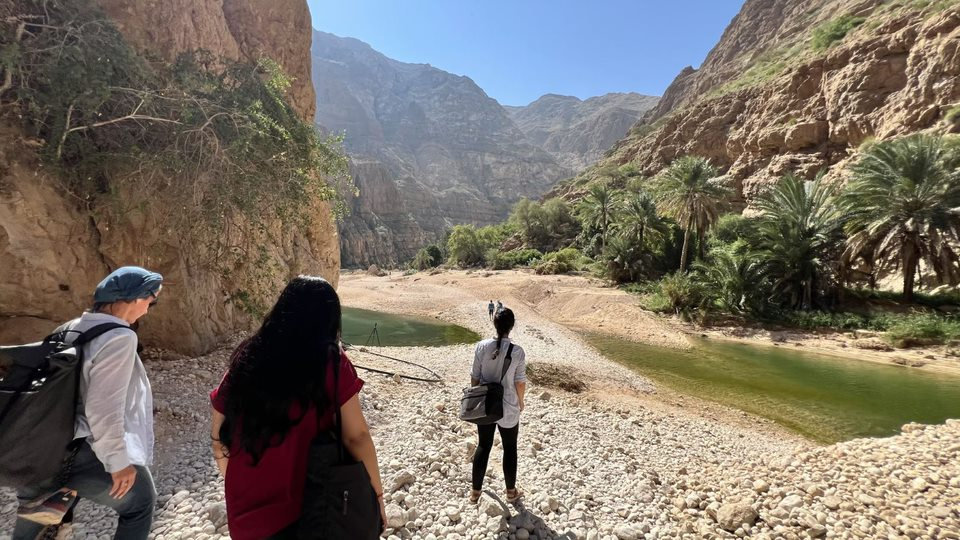
Oman is a paradise for anyone who loves the outdoors. About two hours from Muscat lies the famous Wadi Shab. A small boat takes you across the lagoon, then you hike for about 45 minutes to turquoise pools. At the very end, a cave with a waterfall awaits – reachable only by swimming through a narrow gap. An unforgettable adventure!
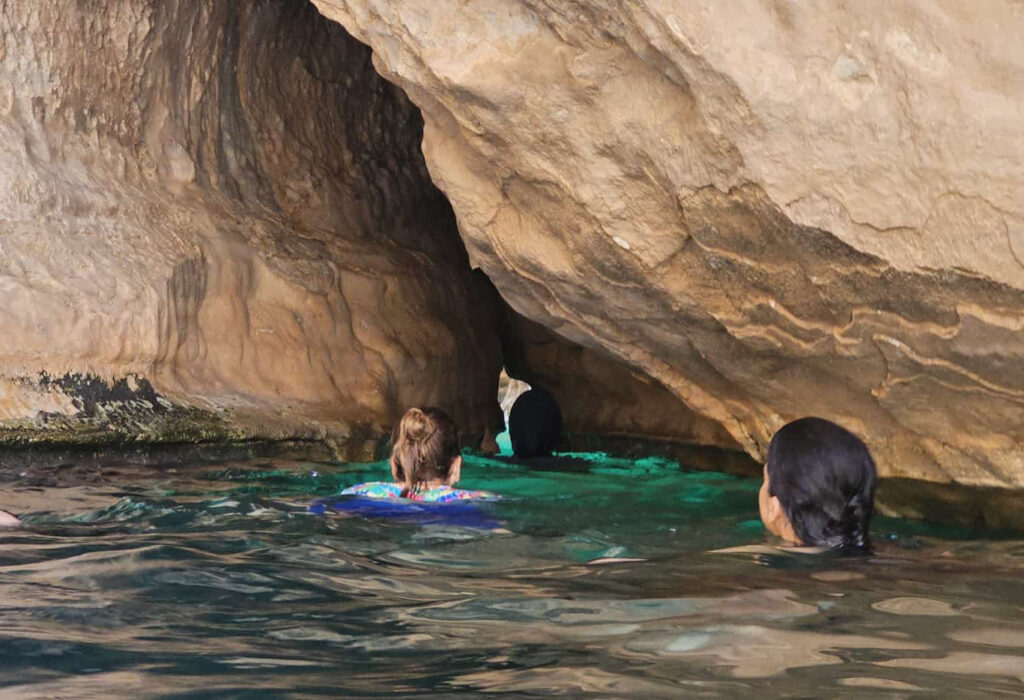
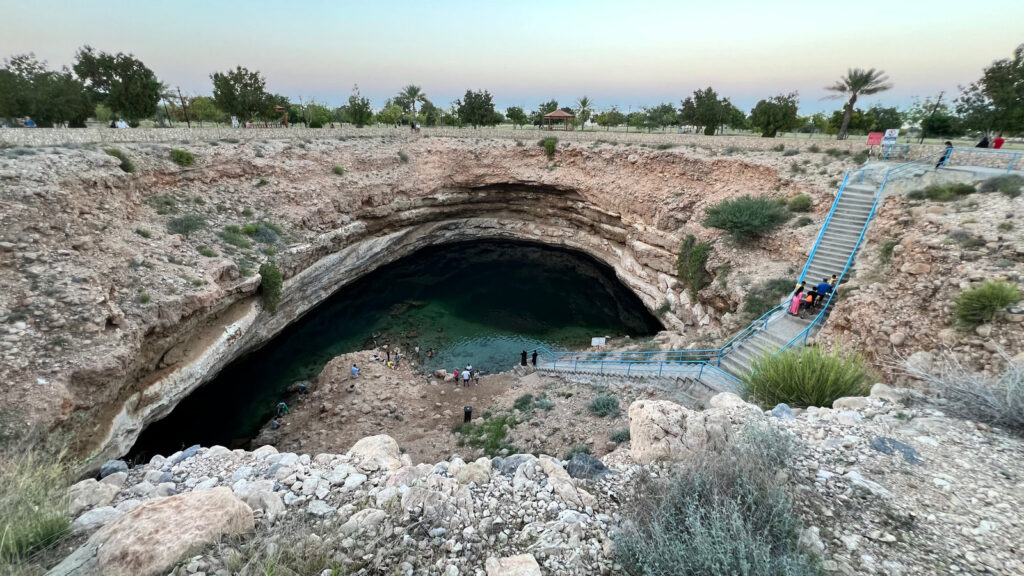
The best way to end the day is with a picnic on Tiwi beach and a visit to the Bimmah Sinkhole – a natural, turquoise-blue water hole in the middle of a small park.
Rustaq, Bahla and Nizwa: the heart of the country
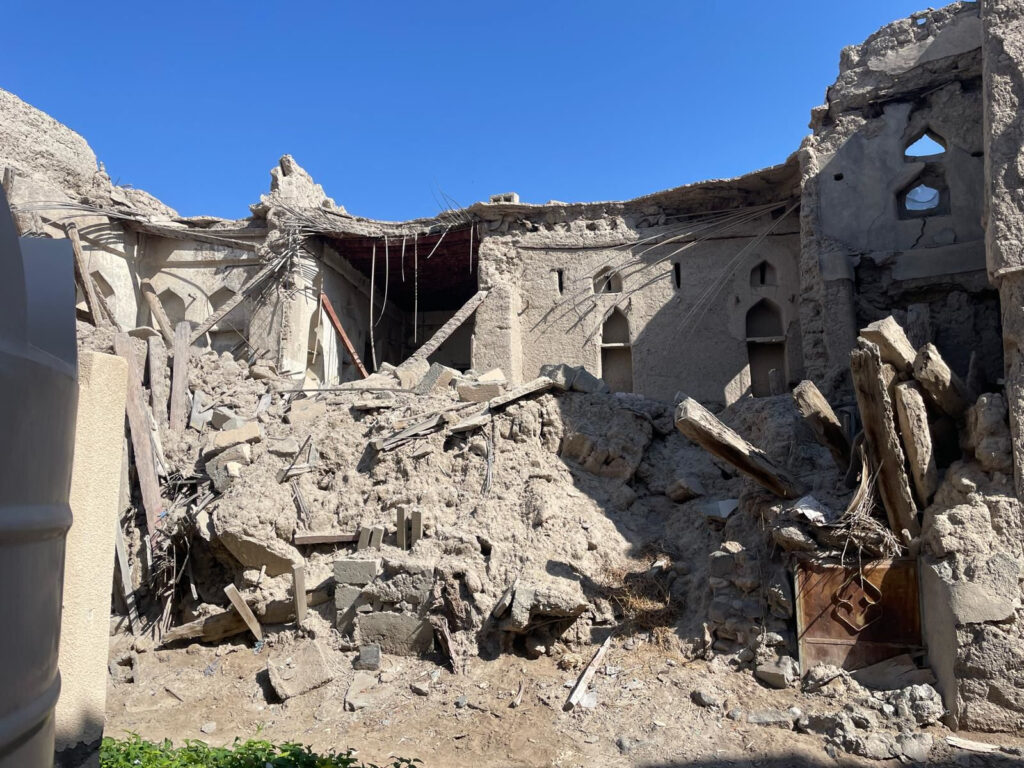
Away from the capital, traditional Oman lives on. In quiet Rustaq we visited a lovingly furnished private museum in an old family house – full of colours, objects and stories from everyday Omani life. In Bahla, known for its huge mud-brick fort, we met many warm-hearted people after Friday prayers.
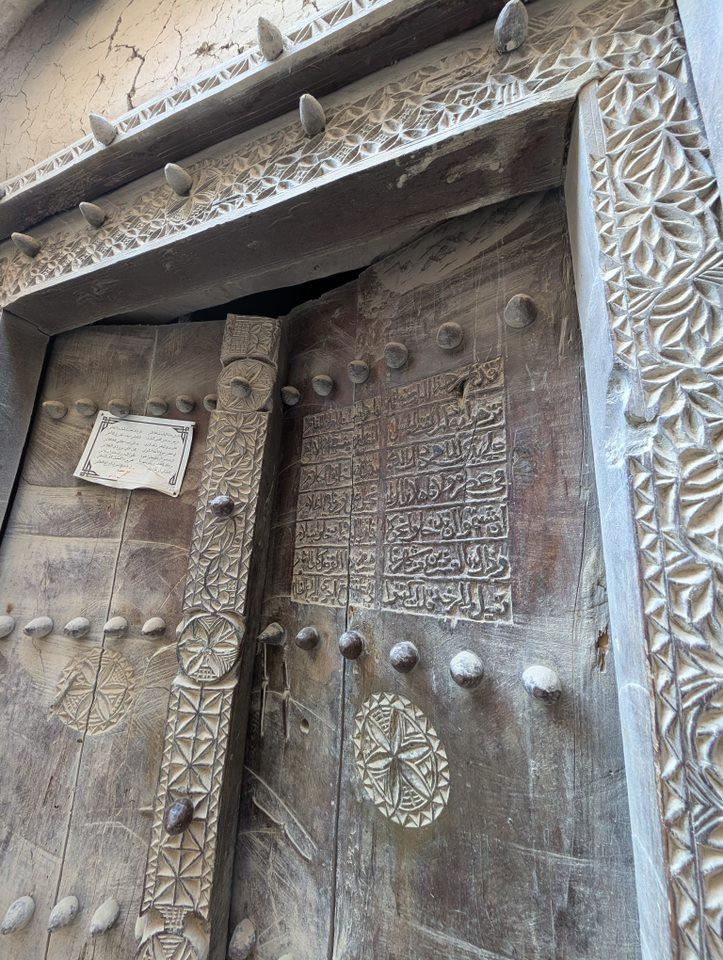
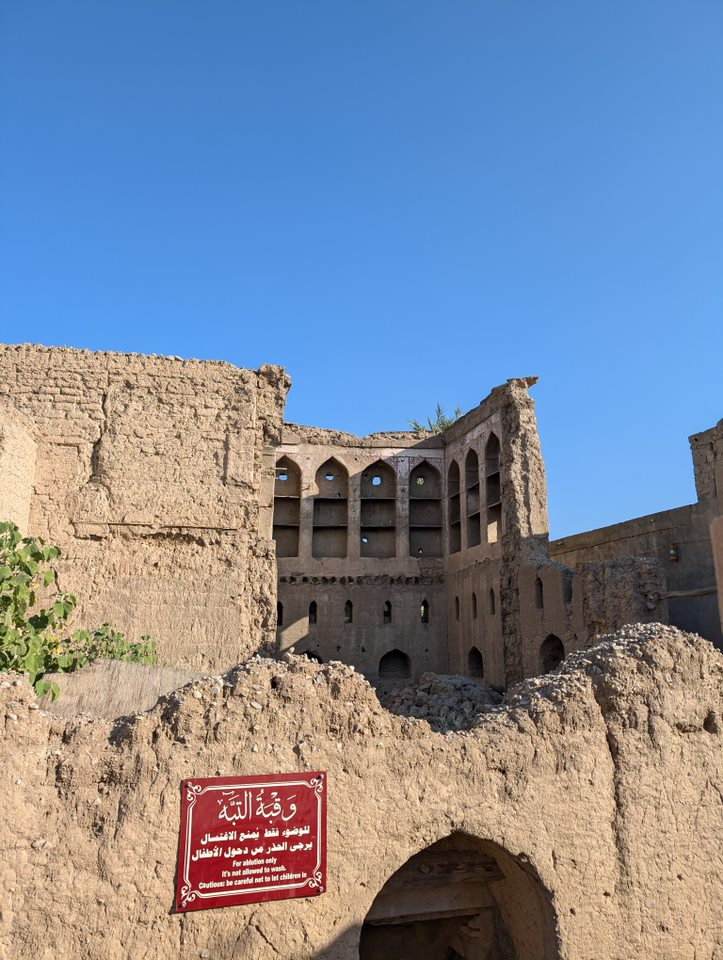
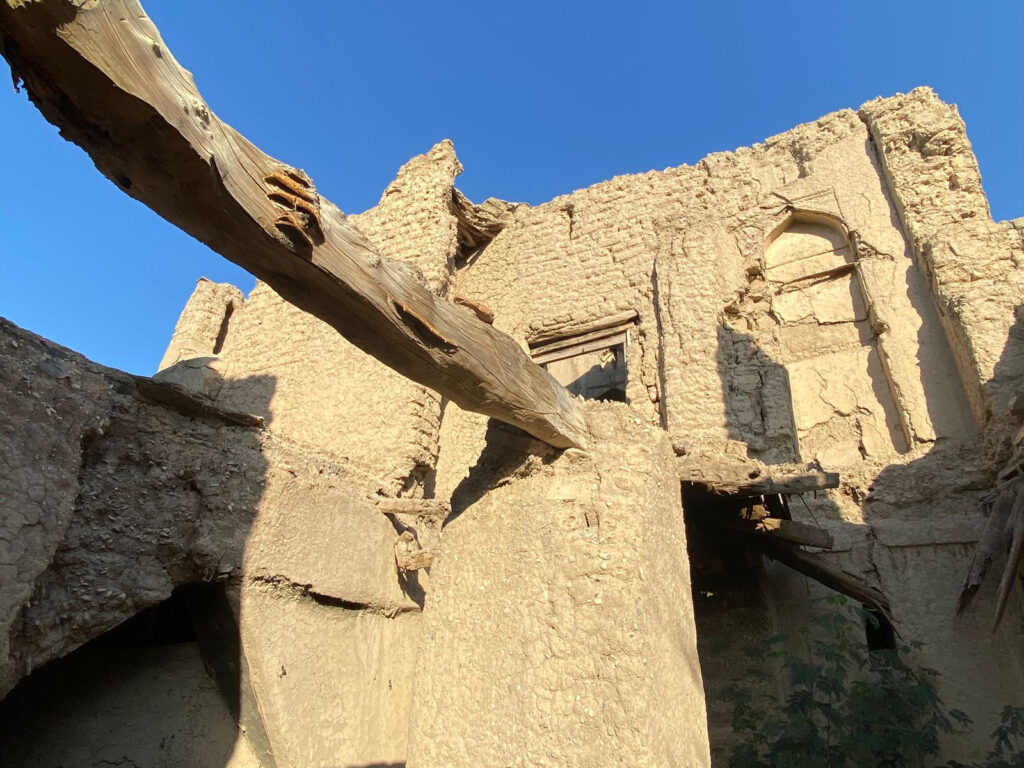
In Nizwa the famous traveller Ibn Battuta was already a guest in the 14th century. The fort dates from the 17th century – the people’s hospitality is timeless. Our participants got talking with henna artists, older ladies knotting shawls and a cheerful group of men on a company outing – in Arabic, of course.
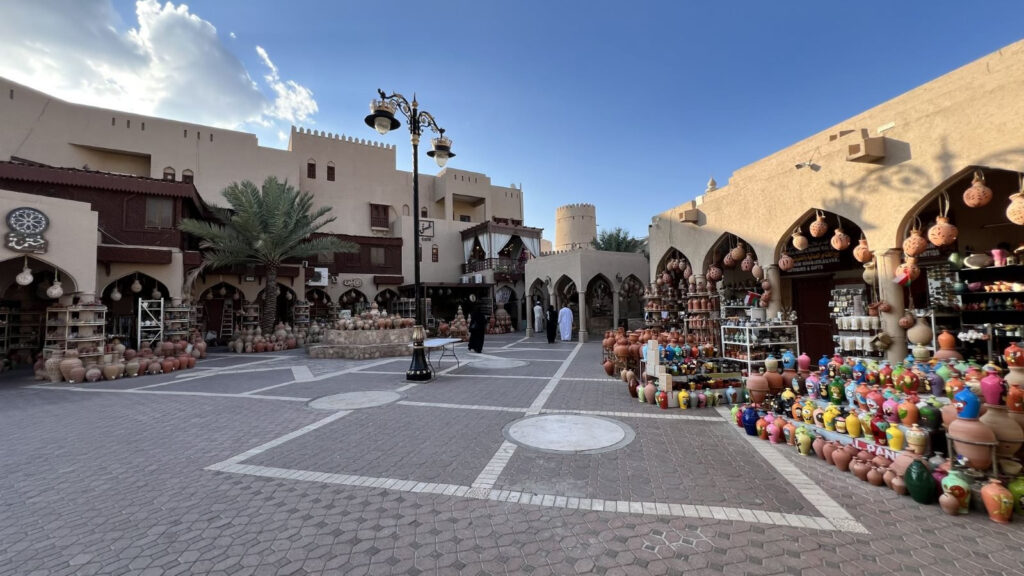
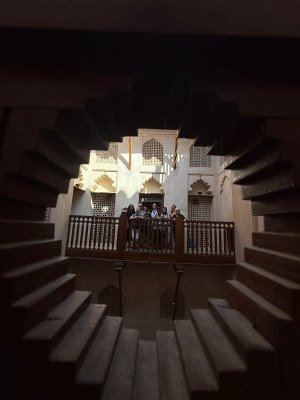
A heartfelt thank you to our driver Khamis, who got us safely around the country in his minibus with countless cups of coffee.
Oman deeply impressed us with its mix of tradition and modernity, its nature and the warmth of its people. For anyone looking for peace, culture and real encounters, this country is a treasure trove.
Experience Oman with us
Learn Arabic and get to know the country and its people – as educational leave or an intensive course on the ground. Questions about the trip? Our AI chat helps you straight away and sends you the programme and the recognition document for your employer.
To the Oman tripIntensive course in Oman